
If an uninsured driver just hit you on Interstate 25, your next few decisions can protect both your body and your case.
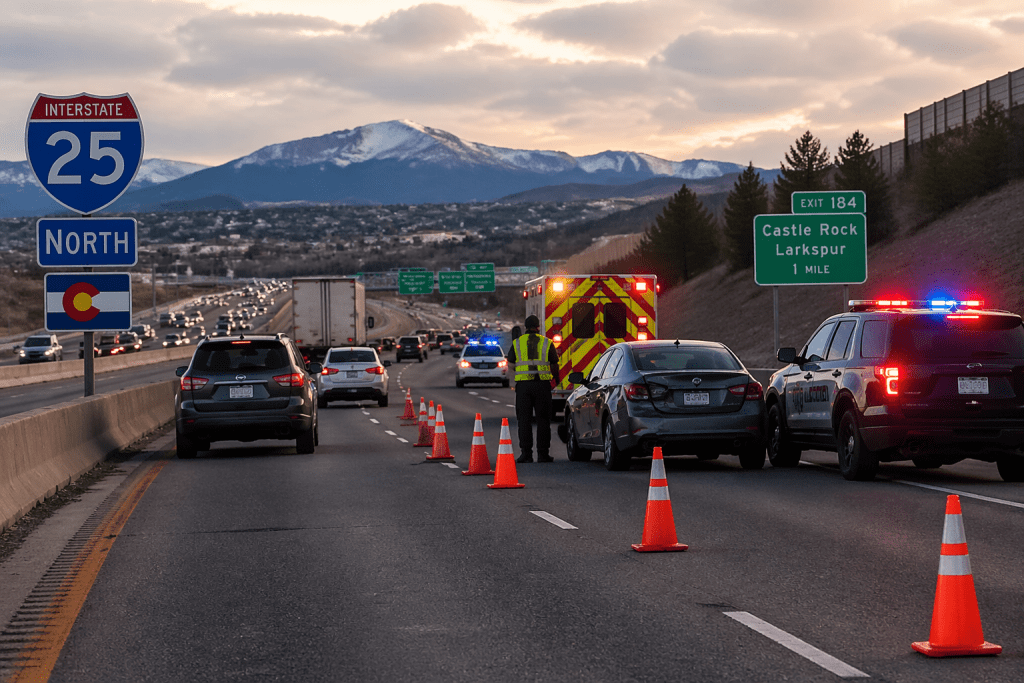
Interstate 25 crashes move fast, and an uninsured driver can make the aftermath feel unfair. Even so, you may still have options through your own policy, and the groundwork starts at the scene. Travis Legal Offices helps people across Colorado sort out coverage, evidence, and next steps after these collisions, including support from a Colorado hit and run and uninsured driver lawyer when the facts get messy. Use the guide below to stay safe, document the right details, and avoid the mistakes that quietly reduce recoveries.
Your first moves on Interstate 25
- Get to safety first, and if vehicles can move, pull to a safe shoulder or nearby exit to reduce the risk of a secondary crash.
- Call 911, request medical help if anyone is hurt, and ask for an officer to respond so there is an official report tied to the location.
- Take clear photos of vehicle positions, damage, license plates, skid marks, debris, road conditions, and any visible injuries.
- Collect names, phone numbers, and quick statements from witnesses, because people who stop on a highway often leave fast.
What being hit by an uninsured driver changes
Confirm the insurance situation without arguing
At the scene, you do not need to debate coverage with the other driver, but you do need accurate identifying details. Get the driver’s name, address, phone number, license number, plate number, and the vehicle owner’s information if it is different. If the driver cannot produce proof of insurance, ask the officer to note that in the report and to document any admission about not having coverage. If the driver flees or you suspect the information is fake, your photos and witness notes become even more important.
Use your own coverages in the right order
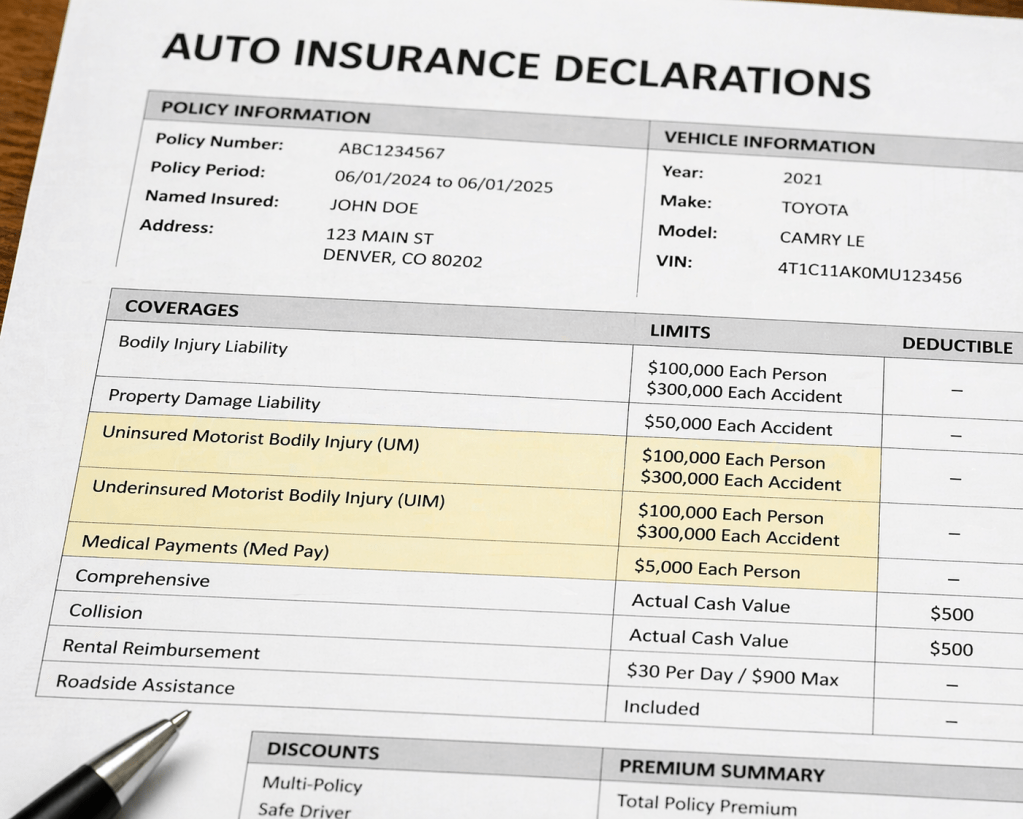
When the at fault driver has no policy, your own insurance often becomes the main source of recovery. Start by notifying your carrier and asking for your declarations page so you can see the exact coverages and limits you purchased. Depending on your policy, uninsured motorist benefits may help with injury related losses, and medical payments coverage can help with early treatment bills regardless of fault. Collision coverage may help with vehicle repairs, and rental coverage may help keep you mobile while your car is in the shop. Keep the claim organized from day one so you do not miss deadlines, documents, or required approvals for repairs and treatment.
Build a paper trail that supports full value
Uninsured driver cases often come down to documentation, because there is no third party carrier eager to pay quickly. Start a simple folder the same day and put every record in one place, including photos, receipts, diagnoses, and appointment summaries. If you feel fine at first, still consider a prompt medical evaluation, since symptoms like concussion, neck strain, and back pain can surface later. The more consistent your timeline is, the harder it is for an insurer to argue that your injuries were not caused by the Interstate 25 crash.
Documents to gather in the first week
- The police report number, the responding agency name, and any crash exchange form you were given.
- All photos and videos, including dash camera clips and short audio notes describing what happened while it is fresh.
- Medical paperwork and billing records, plus a daily symptom log that notes pain levels, sleep issues, and activity limits.
- Proof of missed work, such as a wage statement, time off records, and a note describing job duties you could not perform.
Know what uninsured motorist coverage can pay
In Colorado, the at fault driver is supposed to carry liability insurance, but minimum limits can be quickly overwhelmed by an Interstate 25 injury crash, and some drivers carry none at all. That is why uninsured and underinsured motorist benefits can matter, because they are designed to step in when the other driver cannot fully cover the harm they caused. The Colorado General Assembly optional automobile insurance coverage overview explains how UM and UIM coverage is intended to help with bodily injury losses and where its boundaries are. If you are unsure what you purchased, request your declarations page and look for UM, UIM, and medical payments lines with their dollar limits listed clearly.
Mistakes that quietly sink uninsured driver claims
One common mistake is giving a detailed recorded statement while you are still shaken, because small wording issues can be used later to argue about fault or severity. Another is accepting a quick payment tied to a broad release, which can close the door on additional compensation before you understand your medical outlook. Gaps in treatment also create problems, since insurers often argue that a pause means you were not really hurt. Finally, be cautious with posts and photos online, because insurers may look for anything that conflicts with your reported limits.
Match the strategy to the right fit
Not every uninsured driver crash needs the same approach, so match your next steps to the risk level. If there are injuries, multiple vehicles, or any dispute about who caused the wreck, treat it like a higher stakes claim from the start. If your car is totaled or you cannot work, the dollar impact climbs fast and mistakes get expensive. A clear plan also reduces stress, because you will know what to document, what to avoid, and when to push back.
- If injuries, disputed fault, or complex coverage is involved, talk with a Colorado car accident lawyer before you sign releases or accept a fast offer.
- If your own insurer delays, undervalues, or misrepresents coverage, a Colorado insurance bad faith lawyer can review whether claim handling created additional exposure.
Final checklist before you act
- Get medical care, follow treatment plans, and keep every discharge note and bill in one place.
- Secure the police report information, witness contacts, and a full set of scene and damage photos.
- Request your declarations page and open the correct claims, then track every call, email, and document you send.
- Do not sign releases or agree to recorded statements until you understand the claim impact and your coverage.
Being hit by an uninsured driver on Interstate 25 is frustrating, but you still have practical ways to protect yourself. Focus first on safety and treatment, then build a clean record of what happened and how it affected your life. If the situation is complicated or the insurer starts pushing for shortcuts, getting guidance early can prevent expensive missteps. Travis Legal Offices can help you understand your options and pursue a fair outcome based on the facts and the coverage available.


