
Why March Weather Swings Make Motorcycle Accidents More Likely
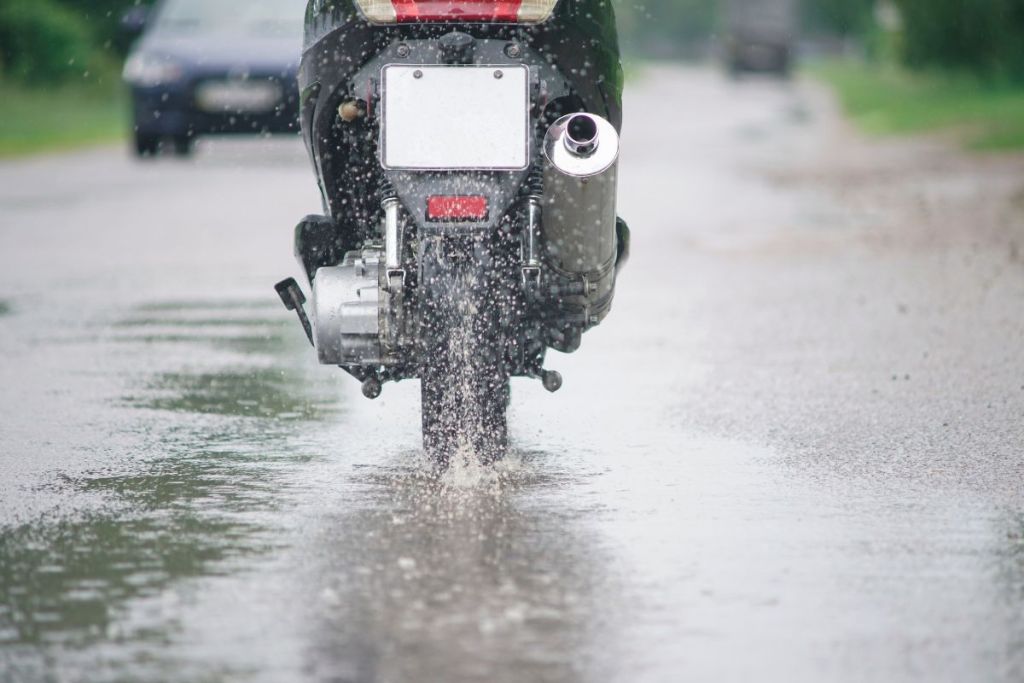
March weather swings can change road grip faster than most riders can adjust their habits. You can hit dry pavement in the sun and roll into shaded corners with moisture, grit, or thin ice minutes later. Those surprises matter more on two wheels because traction and balance are less forgiving. If you were hurt in a spring crash, a Colorado Personal Injury lawyer can help you sort out fault, coverage, and the evidence that shows what the road and weather were doing at the time. Travis Legal Offices, LLC built this guide to help you ride smarter in March and document the right details if something goes wrong.
What changes in March that raises motorcycle crash risk
- Freeze thaw cycles create slick patches in shaded areas even when the rest of the road looks dry.
- Leftover winter sand, deicer residue, and loose gravel reduce grip most on turns, ramps, and lane edges.
- Potholes and uneven pavement appear after winter wear, and they can destabilize a bike during braking or cornering.
- Drivers are not fully back in motorcycle awareness mode, especially at intersections and during quick lane changes.
How temperature swings change traction and handling
Cold pavement and cold tires reduce your margin
Even a capable bike feels different when the pavement is cold because rubber needs warmth to grip at its best. Morning rides can start with lower tire pressure from overnight temperature drops, which affects braking feel and turn stability. Cold pavement also holds moisture longer, so shaded spots can stay slick after a brief flurry or overnight melt. A simple habit helps: give yourself a longer warm up period with smoother inputs and gentler lean angles until both tires and you feel settled.
Water, grit, and road film show up in the wrong places
March melting can move water across the road in thin sheets, especially near curbs, driveways, and dips. Mix that water with sand and winter residue and you get a low grip surface that looks harmless until you touch the brakes or lean. Fresh rain can also lift oily road film that built up over winter, which makes the first light shower of spring feel surprisingly slippery. Your best defense is to ride as if every shiny patch is suspect and to choose smoother, earlier braking instead of late, sharp corrections.
Crash patterns that spike during early spring
Many March motorcycle crashes happen during routine maneuvers, not high speed stunts. Riders lose traction while turning at intersections, entering ramps, or braking for a sudden stop in traffic. Others get clipped by drivers who misjudge speed or do not expect a motorcycle to be back on the road yet. Weather swings add a second layer by changing visibility, grip, and stopping distance within a single ride. The goal is to reduce surprise by planning for traction changes and by making yourself easier to see.
Practical moves that lower risk right away
- Increase following distance to at least four to six seconds so you can brake earlier and more smoothly on mixed grip pavement.
- Avoid lane edges and shoulders where sand and gravel collect, especially near curves and on highway on ramps.
- Use gentle throttle and progressive braking, and keep lean angles modest until you confirm grip on that surface.
- Time rides to avoid the coldest hours when shaded roads hold moisture, and watch for refreeze after sunset.
Visibility gaps make March more dangerous than it feels

As riders return to the road, many drivers have not recalibrated their eyes for smaller vehicles in traffic. That can show up as left turn conflicts, lane changes into your space, and drivers pulling out quickly because they think you are farther away. You can reduce the risk by choosing high contrast gear, using your headlight, and positioning in your lane where you are most visible in mirrors. It also helps to understand what national safety guidance emphasizes for riders and motorists, including conspicuity and shared responsibility on the road. The National Highway Traffic Safety Administration shares practical motorcycle safety guidance here: https://www.nhtsa.gov/road-safety/motorcycles.
After a March motorcycle crash, protect your health and your claim
First, get medical care even if you think you are fine, because adrenaline can hide head, neck, and soft tissue injuries. Next, document the road and weather conditions before they change, including photos of shaded ice, standing water, gravel patches, potholes, and any warning signs nearby. Ask witnesses what they saw and capture their contact information, because spring conditions can create dispute about visibility and stopping distance. Finally, keep a simple timeline of your symptoms, treatment, missed work, and out of pocket costs so your recovery story stays consistent. Those steps make it easier to show how the weather swing contributed and how the crash affected your life.
Match the strategy to the right fit
Some March motorcycle cases are straightforward and others require deeper digging into road conditions, maintenance issues, and competing insurance stories. If the crash involved loose gravel, poor clearing, or a dangerous pavement defect, photos and fast reporting can matter as much as the police report. If a driver claims you were going too fast for conditions, your documentation of temperature, shade, and surface grip can help counter that narrative. The right legal strategy often includes securing records early, lining up medical documentation, and building a clear sequence of events that a jury would understand. Start with a location focused resource that matches where you ride most often and where the crash happened.
- If your crash happened near Monument Hill or along local feeder roads, review our Colorado personal injury lawyer information to see how weather and terrain can shape a case.
- If you were hit on busy growth corridors and commuter routes, our Parker Colorado personal injury lawyer resource can help you think through early proof and next steps.
Final checklist before you act
- Check tire pressure, tread, and brakes before your first March rides and recheck after big temperature swings.
- Assume shaded areas can hide moisture or ice and slow down before the corner, not during it.
- Ride with extra space and smooth inputs, especially after light rain or during melt conditions.
- If a crash happens, get care, take road condition photos, and keep a clear timeline of symptoms and expenses.
March can be a great month to ride, but it rewards riders who plan for change instead of hoping for consistency. When you expect mixed grip, gravel, and visibility surprises, you make calmer decisions and give yourself room to react. If you do get hit, the same mindset helps you preserve the facts before conditions shift and stories harden. Travis Legal Offices, LLC helps injured riders and drivers across Colorado build claims that match the real conditions on the road. Use this guide to stay safer now, and to be ready if spring weather turns a normal ride into a serious crash.


