
Information On Truck Blind Spots
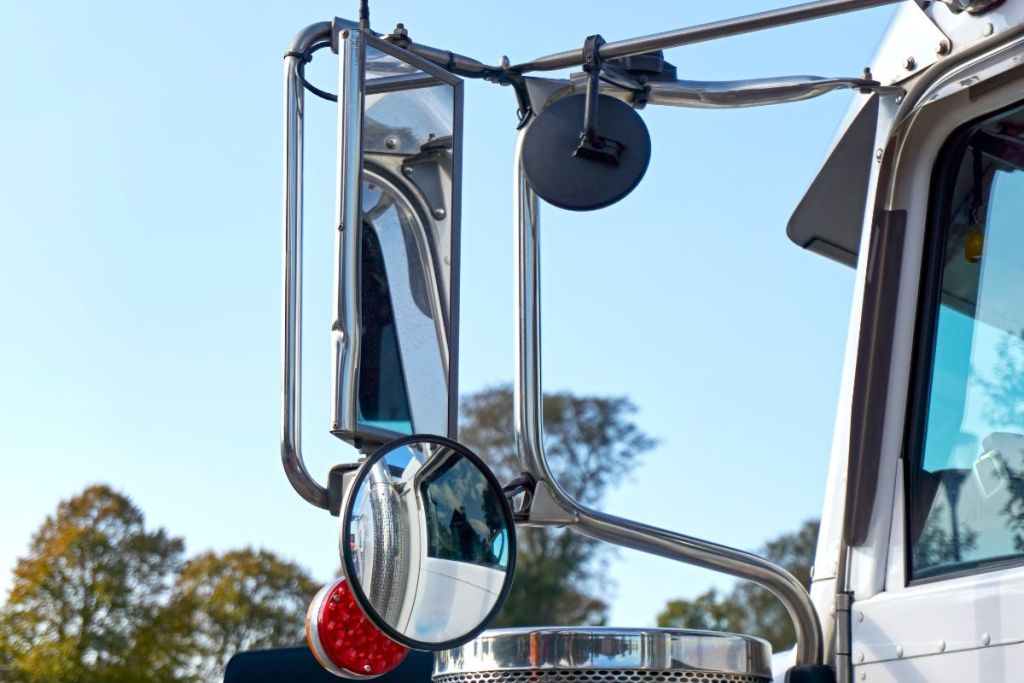
Large trucks move through Castle Rock every day, especially along Interstate 25, Founders Parkway, and the arterials that feed local shopping and industrial areas. Most close calls are not about speeding, they are about visibility and timing when a car sits in a truck blind spot. Understanding where those blind spots are helps you pass, merge, and stop with a bigger safety buffer. If a crash happens anyway, the claim can involve a driver, a motor carrier, and multiple insurance layers, which is why our Colorado truck accident attorneys focus on early evidence and clear liability. Use the tips below to reduce risk on the road and to know what to capture if you are hit.
The four blind spot zones every Castle Rock driver should picture
- The front zone where the hood line, height, and mirror angles can hide a smaller vehicle that is too close.
- The right side zone which is usually the largest, where a full car can disappear alongside the trailer.
- The left side zone which is smaller than the right but still risky during lane changes and merges.
- The rear zone directly behind the trailer where you lose the driver’s mirror view and the truck needs extra room to brake.
Everyday Castle Rock situations where blind spots turn into crashes
Merging and lane changes on Interstate 25 near town exits
Most blind spot collisions start with a routine merge, not a dramatic mistake. Cars often drift into the right side zone while trying to match speed, then get trapped when traffic compresses. If you need to merge near a truck, pick a clear plan early: either drop back to stay visible, or accelerate decisively to clear the truck without lingering beside the trailer. Signal earlier than you think you need to, because a truck needs more time to react and more room to adjust.
Stop and go traffic near shopping centers and construction
Slow traffic creates a different problem: drivers try to slip into tiny gaps that do not stay open for long. Cutting in close in front of a truck can force hard braking that the truck cannot match, especially if the pavement is dusty, wet, or uneven after winter. Watch for wide right turns near intersections and entrances, because a truck may swing left first and then turn, which can surprise drivers who try to squeeze through. Give trucks space at lights and driveways, and resist the urge to race for the next gap.
Safe positioning rules that work in real traffic
The safest place around a truck is where you are clearly visible and you have an escape option. If you can see both of the truck’s mirrors, you are more likely to be seen, and if you can see the driver in the mirror, visibility is even better. Avoid hovering next to the trailer because that is where side swipe and squeeze crashes happen. When traffic is heavy, choose patience over perfect positioning and focus on staying predictable. Predictable driving gives the truck driver time to plan, and time is what prevents contact.
Quick driving habits to practice this week
- Pass with purpose: commit, maintain steady speed, and do not camp beside the trailer where the driver may never see you.
- Leave real following distance: aim for at least four to six seconds behind a truck so you can react without sudden braking.
- Merge with margin: signal early, match speed, and only move over when you can see the full front of the truck in your mirror.
- Respect wide turns: never pull alongside a turning truck at an intersection, and give it the full lane it needs to complete the turn.
What the safety experts emphasize about blind spots

Truck blind spots are not a myth, they are a predictable design reality that every driver can plan around. Federal safety guidance consistently points to the same themes: stay out of blind spots, avoid cutting in close, and anticipate wide turns and long stopping distances. The simplest rule is also the best one: if you cannot see the driver in the mirror, they probably cannot see you, so change your position. For a clear visual explanation and practical reminders, review the FMCSA guidance on large blind spots.
If a blind spot crash happens, protect your claim with the right proof
After a truck collision, what you document in the first hour can matter as much as what happened in the first second. Get medical care promptly, then capture photos that show lane positions, damage angles, skid marks, and traffic controls before vehicles move. Ask the officer how to obtain the report number, and write down the truck company name, truck number, and any visible identifiers on the cab or trailer. If witnesses saw the lane change or the merge, get their contact information because independent statements carry weight. Keep a simple timeline of symptoms, appointments, missed work, and out of pocket costs so your damages stay organized.
Match the strategy to the right fit
Some blind spot collisions resolve quickly, but many turn into disputes about where each vehicle was and who had the right of way. Truck cases can also involve commercial policies, company procedures, and evidence that is easier to secure early than later. A smart plan usually includes preserving electronic data, confirming the correct parties, and building a clean narrative that matches the physical evidence. If you were seriously hurt, it also means aligning medical documentation with the forces involved in a commercial vehicle impact. Choose guidance that fits where the crash happened and what kind of road and traffic pattern shaped the collision.
- If your crash happened in or near town, a Castle Rock Colorado truck accident lawyer can help you organize the early steps that protect both your health and your claim.
- If the collision occurred closer to Interstate 25 access points and commuting corridors, a Castle Pines Colorado truck accident lawyer resource can help you think through documentation, coverage, and local road factors.
Final checklist before you act
- Stay visible by avoiding the right side of a truck and by not lingering beside the trailer.
- Pass and merge with a clear plan, using early signals and a decisive move rather than drifting.
- Keep extra space behind trucks so you can brake smoothly and avoid a rear impact chain reaction.
- If a crash occurs, document positions, identifiers, witnesses, and your medical timeline right away.
Truck blind spots are one of the most preventable causes of serious roadway collisions, but only if drivers treat them like real space, not an abstract warning. In Castle Rock traffic, your best advantage is discipline: stay visible, leave room, and avoid last second lane decisions near large commercial vehicles. If you were hit, do not assume the story will be obvious from the damage alone, because these cases often turn on timing and positioning. Travis Legal Offices, LLC helps injured people sort through liability and insurance layers and preserve the evidence that matters. Use this guide to drive with more margin today, and to act with more clarity if you ever need to pursue a claim.


