
Car Crashes With Ride Share and Delivery Drivers
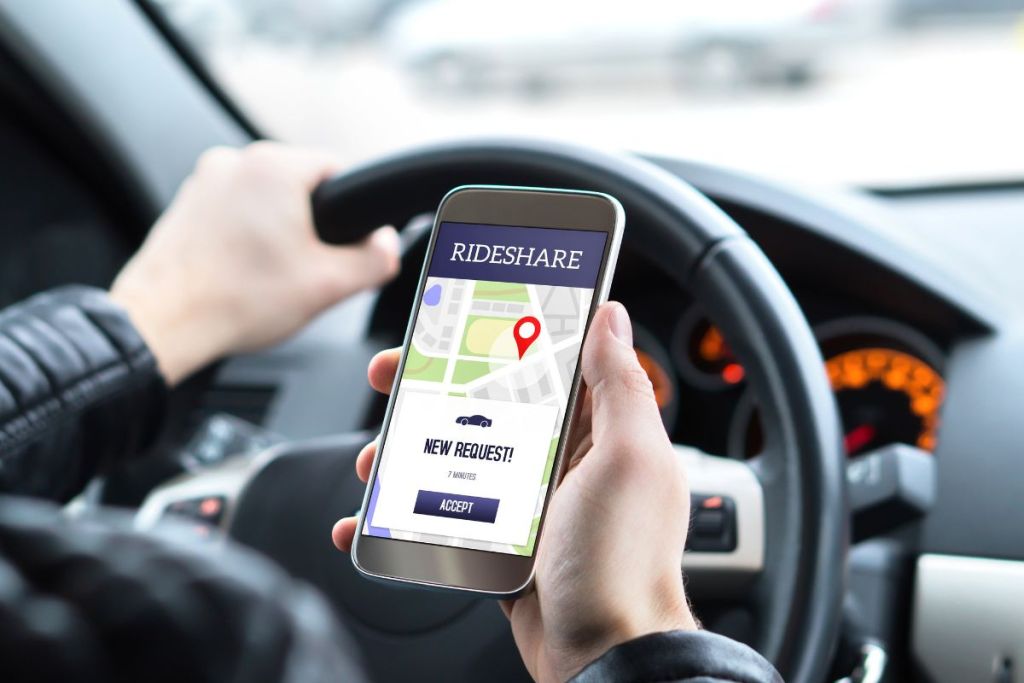
When a crash involves a ride share car or a delivery vehicle, the insurance story can change by the minute. The driver may be following app directions, responding to order prompts, or rushing to meet a delivery window, and each detail can affect who pays. Our Colorado car accident lawyer team at Travis Legal Offices, LLC helps injured people sort out those layers and build a claim that matches the facts. Below is a practical guide to the coverage questions, the proof that matters, and the mistakes that quietly reduce what you can recover.
Why these crashes feel different from a standard collision
- There may be multiple insurance policies in play, including personal auto coverage and business related coverage tied to the driver’s work activity.
- Fault evidence often lives inside apps, including trip status, route history, and time stamps that are not visible from a police report alone.
- Drivers are frequently juggling navigation, messaging, and pickup or drop off decisions in busy parking lots and curb zones.
- Some delivery drivers work for a company while others are independent contractors, and that relationship can change the liability analysis.
How responsibility and insurance are usually sorted
Ride share drivers and the app status question
In many ride share collisions, the biggest early question is whether the driver was logged in and actively engaged in a ride at the time of impact. That status can influence whether a platform related policy applies and how coverage priorities line up. It also affects how an insurer evaluates risk, because the driving behavior often changes during pickup and drop off moments. The cleanest approach is to confirm the exact timeline with objective records, not assumptions from anyone at the scene.
Delivery drivers and the work relationship
Delivery crashes often hinge on whether the driver was using a personal vehicle for work, driving a company vehicle, or operating under a commercial policy. If a driver is working for an employer, the employer may share responsibility when the crash happened within the scope of the job. If the driver is an independent contractor, liability may focus more tightly on the driver and the available insurance layers. Either way, the best claims are built by proving who controlled the work, what policies apply, and what the driver was doing in the minutes leading up to the collision.
Proof that matters in ride share and delivery cases
These cases are won by details that disappear fast, especially digital records and short lived location data. Start by thinking like a claims adjuster: what would prove the driver was working, distracted, rushing, or taking an unsafe turn. Then think like a defense team: what would they argue was missing or unclear. The goal is to lock down the timeline early so coverage and fault do not get rewritten later.
Fast evidence checklist
- Get photos of the vehicles, license plates, insurance cards, and any visible company markings or delivery gear inside the car.
- Ask the driver which platform they were using and note the app name, but keep the conversation calm and brief.
- Screenshot any ride share or delivery information you can see, such as pickup or drop off context, without handling someone else’s phone.
- Write down witness names and numbers and request the responding officer’s report number before you leave the scene.
Distracted driving is the hidden multiplier

Even careful gig drivers face constant prompts that pull attention away from the road, including new orders, map reroutes, and customer messages. The result is that small mistakes can happen at exactly the wrong moment, like a late lane change or a rolling stop in a turn lane. The National Highway Traffic Safety Administration explains how common distractions reduce reaction time and increase crash risk, especially when phones are involved. In a claim, showing distraction is not about drama, it is about connecting the driving behavior to the impact and your injuries with clear proof.
What to do right after a crash with a working driver
Prioritize medical care first, even if symptoms feel minor, because soft tissue injuries and concussions can surface hours later. Within the first day, create a simple timeline with the time of crash, where it happened, what you remember seeing, and what the other driver said about their work activity. Within the first week, keep every bill, receipt, and appointment note, and avoid giving recorded statements until you understand the insurance layers involved. Most importantly, do not accept a quick settlement offer just to make the calls stop, because once you sign, you usually cannot reopen the claim if your treatment expands.
Match the strategy to the right fit
The right approach depends on injuries, policy limits, and whether the at fault driver was actively working at the time. If the claim involves multiple insurers, you typically need a plan for sequencing demands, confirming coverage in writing, and preserving app based records early. If injuries are significant, you also need a medical documentation strategy that ties symptoms to the crash without gaps in care. A strong local attorney will also know how to build credibility with adjusters while still preparing the case like it may need litigation.
- If your crash happened in Douglas County, review our Castle Rock Colorado car accident lawyer guidance to align your first steps with how local cases are commonly handled.
- If your collision occurred closer to the southwest metro area, our Littleton Colorado car accident lawyer resource can help you think through documentation, treatment, and early claim decisions.
Final checklist before you act
- Confirm whether the driver was working and document any platform or delivery details you can verify.
- Get medical evaluation and follow through on treatment so your records match your symptoms.
- Preserve proof early, including photos, witness information, and a written timeline of what happened.
- Do not agree to statements or settlement terms until you know the coverage layers and your injury outlook.
Ride share and delivery crashes are not automatically harder, but they do require faster organization and smarter questions. When the facts are clear, the right insurance policies can be identified and the claim value can be supported with real documentation. Travis Legal Offices, LLC focuses on building cases that make sense to insurers, and that still hold up if a lawsuit becomes necessary. If you were hit by a working driver, the best next step is to gather the proof while it is fresh and get guidance before the story gets rewritten.


