
Hit and Run Accidents in Colorado: How Uninsured Motorist Coverage Fills the Gap
According to NHTSA road safety data, hit and run crashes account for a significant and growing share of traffic fatalities across the country. A hit and run crash in Castle Rock or anywhere along the I-25 corridor creates an immediate problem. The person responsible for your injuries and vehicle damage is gone, and without their insurance information there is no obvious way to file a claim against them. What many drivers do not know is that the coverage you need may already be sitting in your own auto policy. Working with a Colorado hit and run and UM/UIM lawyer helps you understand what your own policy covers, how to file that claim correctly, and what to do when your insurer disputes the value of what you are owed.
What uninsured motorist coverage actually does
- UM coverage pays for your bodily injury losses when the at-fault driver cannot be identified or carries no insurance
- UIM coverage pays the gap when the at-fault driver has insurance but their limits are too low to cover your actual losses
- Colorado insurers are required to offer UM/UIM coverage at the same level as your liability limits unless you waive it in writing
- UM/UIM coverage does not protect the other driver – it protects you
How a hit and run claim works in Colorado
Reporting requirements and timing
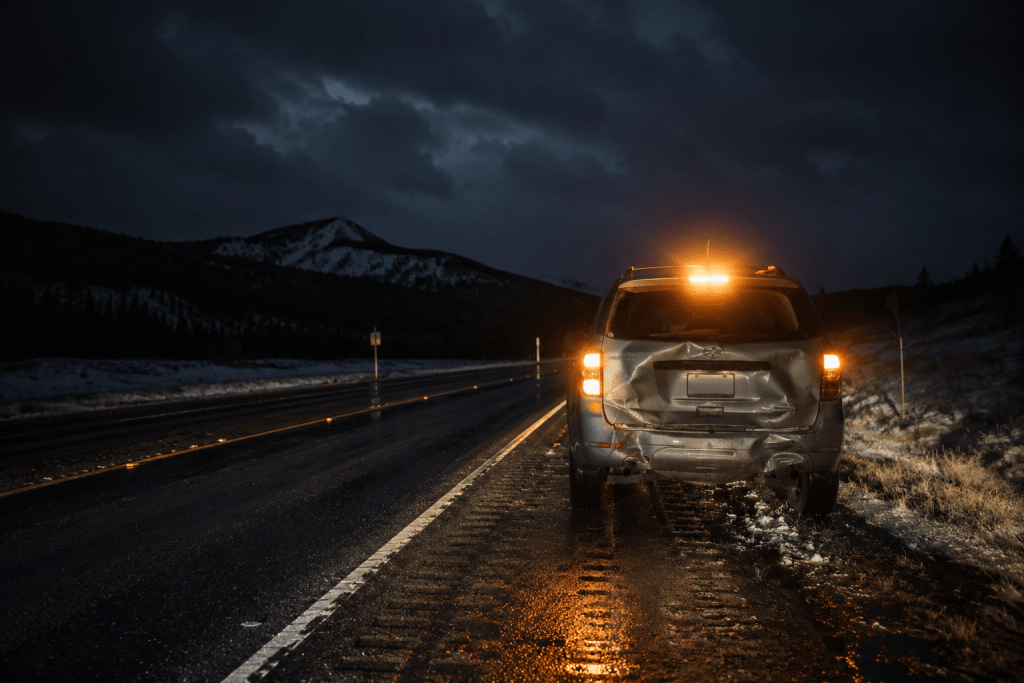
Colorado requires that a hit and run accident be reported to law enforcement promptly. Beyond the legal requirement, that report creates the documentation your own insurer needs to process a UM claim. When there is no police report and no identified driver, insurers have grounds to dispute whether the crash actually happened the way you describe. Calling 911 at the scene and waiting for an officer to arrive is the most important single step you can take after a hit and run, regardless of how minor the damage appears.
You also need to notify your own insurance company of the hit and run within the timeframe specified in your policy. That timeframe varies, and missing it can create complications with your UM claim even when the underlying claim is valid.
Physical contact requirements
Colorado’s UM statutes historically required physical contact between the hit and run vehicle and your vehicle in order to trigger uninsured motorist coverage. This requirement was intended to prevent fraudulent claims based on phantom vehicles. If a driver ran you off the road without making contact and then fled, the physical contact requirement can affect whether your UM coverage applies. This is an area where the specific language of your policy and Colorado law both matter, and where legal guidance on the structure of your claim is particularly valuable.
The Colorado General Assembly’s overview of optional automobile insurance coverage explains how UM/UIM coverage is structured under state law and what insurers are required to offer.
Your own insurer is not necessarily on your side
One of the most important things to understand about a UM/UIM claim is that even though you are filing with your own insurance company, that company has a financial interest in paying you as little as possible. UM/UIM claims are paid out of the insurer’s own reserves, not the at-fault driver’s policy. That means adjusters working on your UM claim use the same valuation tactics, delay strategies, and fault arguments that an opposing insurer would use.
Recorded statements, early settlement offers, and requests for complete medical records all happen in UM/UIM claims just as they do in third-party claims. Treating your own insurer’s claims process with the same caution you would apply to the other driver’s insurer is not paranoia. It is an accurate reading of how these claims work in practice.
What happens when UM/UIM coverage was waived
If you or a previous policyholder waived UM/UIM coverage in writing, that waiver can be a significant obstacle after a hit and run. Colorado law does allow waivers to be revoked, and insurers are required to re-offer the coverage at certain intervals. If your current policy does not include UM/UIM coverage, it is worth reviewing whether the waiver was properly documented and whether you have any grounds to challenge it.
Even without UM/UIM coverage, there may be other sources of compensation available depending on the circumstances. Medical payments coverage, if you carry it, pays for medical expenses regardless of fault. Health insurance may cover treatment costs. And if the crash happened on a road with a documented safety defect, there may be a government entity with some exposure.
Match the strategy to the right fit
Hit and run claims in Colorado depend heavily on what coverage you carry, whether physical contact occurred, and how your insurer is responding to the claim.
- If you carry UM/UIM coverage and your insurer is disputing the value of your injuries, a Colorado car accident lawyer can help you negotiate or litigate that dispute
- If you do not have UM/UIM coverage, reviewing your policy for medical payments coverage and exploring all other potential sources of compensation is the right starting point
Final checklist before you act
- Call 911 at the scene and wait for law enforcement even if the damage appears minor – the police report is essential for a UM claim
- Photograph your vehicle damage, the roadway, and any visible injuries before the scene changes
- Notify your own insurance company promptly within the timeframe your policy requires
- Do not give a recorded statement to your own insurer before consulting an attorney about how the UM claim process works
A hit and run crash is disorienting, but it does not mean your options for compensation have disappeared. In most cases, the coverage you need already exists in your own policy. Understanding how to access it, how to document the claim properly, and how to respond when your own insurer disputes the value is what separates a full recovery from a partial one.


