
Who Pays Medical Bills After a Truck Accident in Colorado
A serious commercial vehicle crash can leave you with emergency care, imaging, follow up visits, and time away from work almost immediately. While every case is different, the key question is usually how to cover treatment now while a larger injury claim develops. That is one reason many injured people start by learning how a truck accident case may involve several insurance layers and more than one potentially responsible party. Understanding the payment path early can reduce stress and help you avoid costly mistakes.
The first sources of payment to review
- Your health insurance may cover treatment subject to deductibles, copays, and network rules.
- Medical payments coverage on an auto policy may help with immediate crash related expenses.
- Liens from providers may allow treatment now with payment later from a settlement.
- The trucking company insurer may not pay bills directly before liability and damages are evaluated.
Why the answer is rarely simple
Truck cases often involve delayed payment from the at fault side
Many injured people assume the trucking company insurer will start covering bills right away. In reality, commercial carriers often investigate aggressively before paying anything significant. They may dispute fault, question treatment, or wait until the full extent of injuries becomes clearer. That means your short term bill strategy usually needs to rely on existing coverage, provider arrangements, or both.
More than one policy may matter
Truck crash claims can involve the driver, the trucking company, a separate trailer owner, a shipper, or another contractor depending on the facts. Each layer can bring separate coverage issues and separate defenses. This is one reason the claim process often moves differently than a standard passenger vehicle collision. Early policy review helps identify what coverage may exist for both immediate expenses and long term damages.
How injured people usually bridge the gap
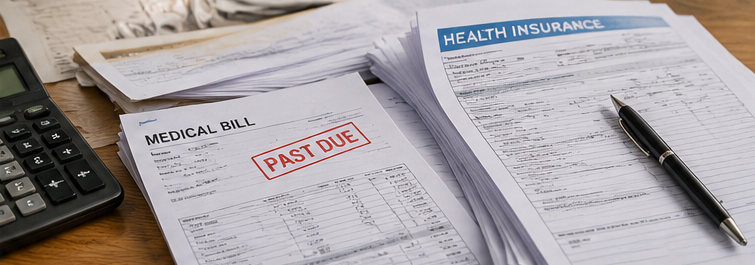
Most people get through the early phase by combining health insurance, careful record keeping, and a clear claim strategy. Bills that go unpaid can create collections pressure, credit stress, and treatment interruptions that hurt both recovery and case value. It is important to know which providers will bill insurance, which may work on a lien, and which deadlines cannot be missed. A practical billing plan is often just as important as the legal claim itself in the first weeks after a truck crash.
Documents to gather right away
- Ambulance bills, hospital records, imaging reports, and every follow up invoice.
- Your health insurance explanation of benefits and any medical payments coverage details.
- Pay records showing missed time, reduced hours, or lost earnings after the crash.
- Letters from adjusters, providers, or collections departments that need a timely response.
Why evidence matters to medical bill recovery
The stronger the liability evidence, the harder it is for the defense to treat your medical bills like a maybe instead of a consequence of the crash. Commercial vehicle claims often depend on preserving records quickly, including driver logs, company files, onboard data, and maintenance history. The Federal Motor Carrier Safety Administration provides safety information that reflects how multiple operational failures can contribute to serious truck collisions. When those facts are documented early, it becomes easier to connect your treatment costs to what happened.
Do not confuse a fast offer with full payment
An early settlement offer may look tempting when bills are stacking up, but it often arrives before the total medical picture is known. Once a case settles, you usually cannot go back for more because treatment lasted longer than expected. That is especially risky in crashes involving head injuries, spinal injuries, or ongoing orthopedic care. The better approach is to understand the full value of the claim before signing away future rights.
Match the strategy to the right fit
Some people need help mainly with bill organization and insurance pressure, while others need a deeper case review because liability or damages are already being challenged. The more severe the injuries, the more important it becomes to preserve evidence and identify every possible source of recovery. Truck cases reward early structure because the defense usually has it from day one. A plan that protects treatment and proof at the same time puts you in a stronger position.
- If evidence may disappear quickly, review this guide on I 25 truck crash evidence and why early action matters.
- If you want examples of how serious injury cases can develop, the firm’s recent results offer helpful context.
Final checklist before you act
- Identify every available insurance source before assuming you must pay everything out of pocket.
- Keep every bill, benefit statement, and work loss record in one organized file.
- Be cautious about early settlement offers that arrive before treatment is complete.
- Move quickly to preserve evidence unique to a commercial vehicle claim.
Medical bills after a truck accident can feel overwhelming, but there is usually a path through the problem when you break it into coverage, evidence, and timing. The first goal is uninterrupted treatment. The second is making sure the right records support every dollar tied to the crash. When those pieces are handled early, you are better positioned to seek full recovery instead of scrambling bill by bill.


