
Multi-Vehicle Pileups on the I-70 Mountain Corridor: How Fault Actually Gets Divided
You are driving through Glenwood Canyon or coming down Vail Pass, traffic slows, and then it happens fast. Brake lights, a jolt from behind, another jolt, and suddenly you are one car among eight or ten that just collided in the space of a few seconds. Once everyone is safe and the adrenaline wears off, a harder question sets in: who pays for this?
In a two car crash, fault is usually a fairly direct question. In a chain reaction pileup on I-70, you might have four, six, or more drivers involved, each with their own insurance company, and each insurer pointing at someone else. If you were hurt in one of these crashes, understanding how Colorado actually sorts out fault in a multi-vehicle wreck is the difference between a fair settlement and getting squeezed by an adjuster who is betting you will not push back.
Why These Crashes Happen on the Mountain Corridor
The stretch of I-70 between Dotsero and Morrison sees a specific mix of conditions that make chain reaction crashes more common than on flatter interstate stretches: steep grades, sudden weather changes, tunnels that create visibility shifts, and heavy seasonal traffic from skiers and weekend travelers. CDOT’s traction and chain law requirements exist specifically because this corridor sees so many spinouts and multi-vehicle incidents during storm conditions, and CDOT can activate traction or chain restrictions on short notice when conditions turn.
A typical chain reaction starts with one driver, often someone following too closely or driving too fast for conditions, who cannot stop in time. That first impact pushes a vehicle into the car ahead of it, and depending on speed and spacing, the chain can grow quickly. By the time it stops, you may have a lead vehicle with only rear damage, a rear vehicle with only front damage, and several vehicles in the middle with damage on both ends.
How Colorado Divides Fault Between Multiple Drivers
Colorado follows a modified comparative negligence rule under C.R.S. 13-21-111. In practice, that means every driver involved in a pileup can be assigned a percentage of fault, and those percentages have to add up in a way that reflects what actually happened. If you are found less than 50 percent at fault for the crash, you can still recover damages, just reduced by your own share. If you are found 50 percent or more at fault, you recover nothing.
In a multi-car pileup, this gets complicated fast because fault is not necessarily one driver’s fault. It is common in a chain reaction crash for the middle vehicles to bear little or no responsibility at all, since they were pushed forward by the impact behind them and had no time to react. The driver in the very back, on the other hand, often bears a disproportionate share because following distance and reaction time were within their control.
Insurance companies know this, and it changes how they behave. Instead of one insurer negotiating with you, you may have three, four, or five insurers involved, each trying to minimize their own client’s share of the blame. That often means your claim gets caught in the middle while insurers argue with each other, and in the meantime your medical bills do not wait for that argument to resolve.
What Actually Determines Your Share of the Blame
A few factors tend to carry the most weight when investigators and insurers reconstruct a chain reaction crash:
- Following distance and speed for each vehicle at the moment of impact
- Whether a driver had time and space to brake before being struck
- Weather and road conditions, and whether CDOT’s traction or chain laws were in effect at the time
- Point of impact damage patterns, which help reconstruct the order vehicles were struck
- Witness statements and, where available, dash camera or nearby traffic camera footage
Because there are more vehicles and more insurers involved, the evidence-gathering window matters even more than in a standard two car accident. Vehicles get towed, damage gets repaired, and memories fade quickly when there are ten people trying to reconstruct a few chaotic seconds.
What Happens When the Insurance Companies Disagree With Each Other
Here is where a lot of injured drivers get stuck. In a two car crash, one insurer usually accepts liability once the facts are clear, and the process moves forward. In a chain reaction crash, each insurer represents only one link in that chain, and none of them wants to be the one holding the largest percentage of fault. It is common for the front driver’s insurer to argue that the rear vehicles overreacted or followed too closely, while the rear insurers argue the front driver braked without warning or stopped in a live lane.
While that argument plays out, your medical bills and lost wages do not pause. You may find yourself getting a letter from one insurer denying your claim while another insurer offers a partial settlement contingent on you accepting a fault percentage you never agreed to. This is exactly the situation where having someone independently reconstruct the crash on your behalf, rather than relying on however the involved insurers eventually sort it out among themselves, makes a real difference in what you actually recover.
When to Talk to a Lawyer
Not every fender bender needs an attorney. A multi-vehicle pileup on a mountain interstate is a different situation, mainly because of how many parties are involved and how much incentive each insurer has to shift blame elsewhere.
- Colorado Car Accident Lawyer – if you were injured in a multi-car crash and more than one insurance company is involved, this is where an attorney can push back on fault allocations that do not match the actual sequence of events.
- Colorado Insurance Bad Faith Lawyer – if an insurer is dragging out your claim, disputing liability without a real basis, or offering far less than your damages while blaming other drivers, this is worth a conversation.
What to Gather Before the Story Gets Harder to Prove
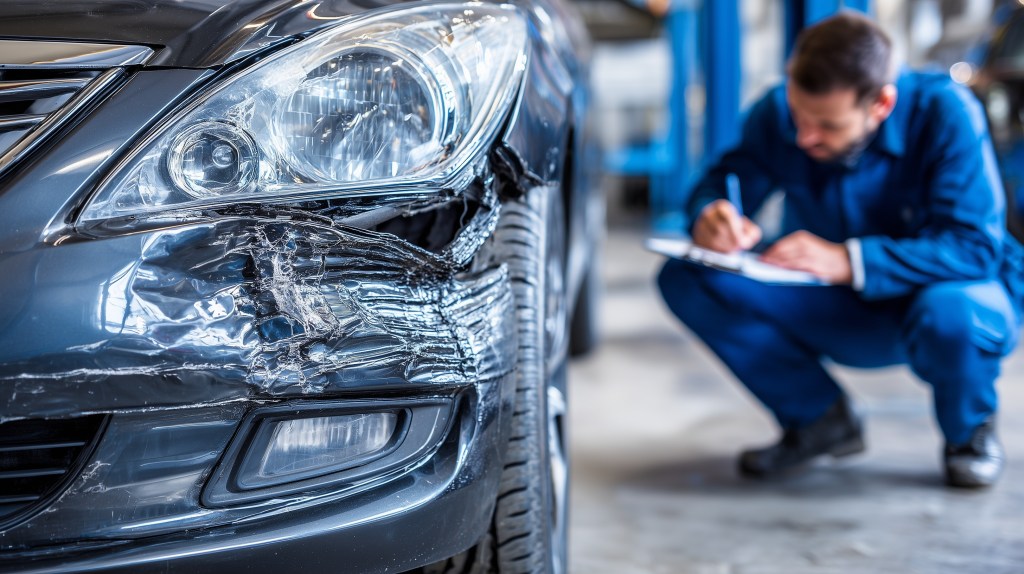
- Photos of your vehicle’s damage from multiple angles, including where it was struck and where it struck the vehicle ahead
- The police report number and the responding agency, since Colorado State Patrol or local police typically investigate multi-vehicle crashes on the interstate
- Names and insurance information for every driver involved, not just the one you believe hit you directly
- Any medical treatment records starting from the day of the crash, even if injuries seemed minor at first
- Contact information for anyone who stopped to help or witnessed the crash from another vehicle
If you were hurt in a multi-vehicle crash on I-70 or another Colorado mountain highway, do not assume your share of the fault is settled just because one insurer says so first. Talk to Travis Legal Offices before you sign anything or accept an early settlement offer.


