
Diminished Value Claims After a Colorado Car Accident
Repairs can make a damaged car look and drive like new again, but they rarely erase its accident history. Once a vehicle has been in a collision, that fact typically shows up on a vehicle history report forever, and buyers pay less for a car with a documented accident, even a flawlessly repaired one. That loss in resale value has a name: diminished value. In Colorado, you may be entitled to recover it from the at-fault driver’s insurer, separate from your repair bill.
Colorado Recognizes Diminished Value as Real Property Damage
This is not a novel or fringe legal theory. Colorado courts have recognized diminished value as a component of property damage for decades. In Trujillo v. Wilson, the Colorado Supreme Court held that the proper measure of damage to a vehicle is the difference in its value immediately before and after the damage, plus any reasonable expenses to preserve or restore it. In plain terms, fixing the car does not automatically make you whole if the car is still worth less than it was the day before the crash.
Third-Party Claims Work Differently Than First-Party Claims
The distinction that matters most here is who you are filing the claim against. A third-party diminished value claim, filed against the at-fault driver’s liability insurer, is generally the stronger path in Colorado. A first-party claim, filed against your own insurer under your own collision coverage, is a much harder road, since most personal auto policies simply do not include diminished value as a covered loss unless you specifically negotiated for it. The Colorado Division of Insurance confirms that liability coverage exists specifically to make an injured party whole for damage the at-fault driver caused, which is the same principle diminished value claims rely on. If another driver caused the crash, pursuing the claim against their insurer, not your own, is typically the better strategy.
How Much a Diminished Value Claim Is Actually Worth
There is no single formula that applies to every vehicle, which is part of why insurers like to offer a quick, low flat percentage before you have a chance to push back. In practice, the value depends heavily on the vehicle’s age and mileage at the time of the crash, since a newer vehicle with low mileage has more resale value to lose than an older one already priced closer to the bottom of its depreciation curve. It also depends on the severity and visibility of the damage on a vehicle history report. A minor bumper repair reads very differently to a future buyer than a listing showing frame damage or airbag deployment, even after both are fully repaired.
What Insurers Do to Minimize These Claims
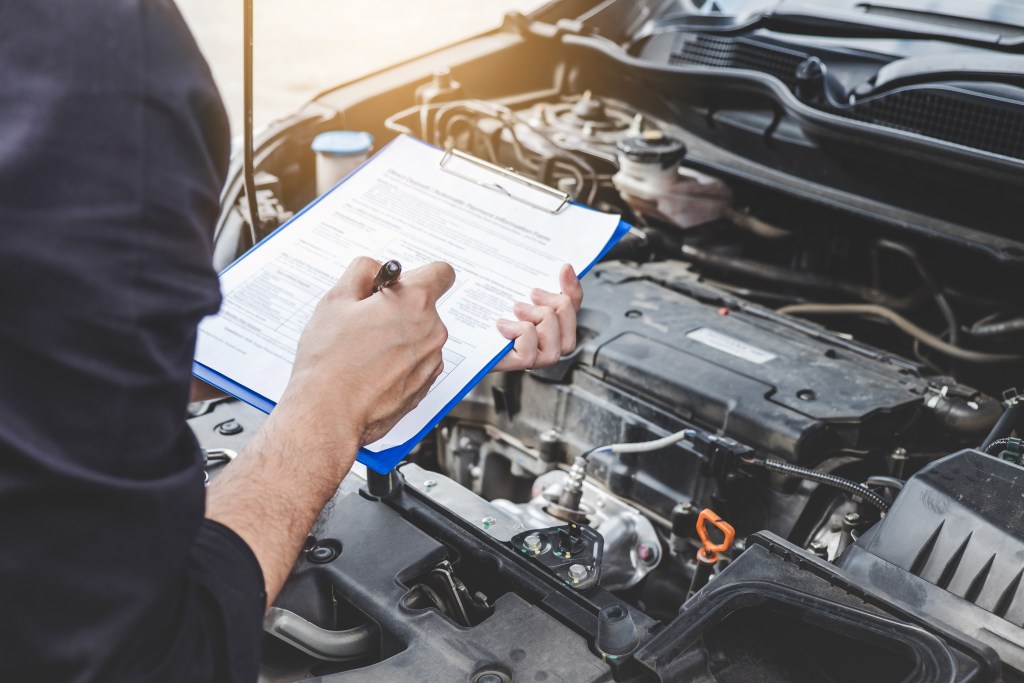
Insurers rarely volunteer information about diminished value, and when a claim is made, they often lean on generic formulas that undervalue the actual loss. A common approach caps the payout at a flat percentage of the vehicle’s pre-accident value regardless of the specific facts of the repair. That approach ignores real variables that affect resale value far more than a flat percentage suggests, including whether the damage involved the frame or structural components, whether airbags deployed, whether repairs used original manufacturer parts, and how a buyer’s perception of the vehicle’s history changes once a vehicle history report shows an accident.
What Actually Supports a Stronger Diminished Value Claim
- A detailed final repair invoice showing the scope of the damage and parts used
- Photos of the vehicle both immediately after the crash and after repairs are complete
- An independent appraisal comparing the vehicle’s pre-accident market value to its post-repair market value using comparable local listings
- The vehicle’s mileage, age, and condition before the crash, since newer and lower-mileage vehicles tend to see steeper diminished value losses
- Whether the repair involved frame, structural, or airbag work, which tends to affect resale value more than cosmetic repairs
Colorado law gives you a two-year window from the date of the accident to bring a diminished value claim, so this is not something to leave until much later, especially since the strongest evidence is easiest to gather while the repair records and appraisal comparisons are still current.
Diminished Value Is Often Overlooked in Settlements
Because diminished value is separate from the repair estimate, it is easy for it to get lost in a broader settlement conversation focused mainly on medical bills and lost wages after an injury crash. If your case includes both bodily injury and vehicle damage, make sure the property damage side of the claim is not simply closed out with a repair check while the diminished value portion goes unaddressed.
When to Talk to a Lawyer
Insurers are not required to tell you that diminished value exists as a separate claim, and many injured drivers never realize they left that money on the table.
- Colorado Property Damage Lawyer – if your vehicle was repaired after a crash caused by another driver, this is where to raise a diminished value claim before the property damage portion of your case closes.
- Colorado Car Accident Lawyer – if your claim also involves injuries, this covers making sure the full picture, medical and property damage, is handled together rather than piecemeal.
Before You Accept a Property Damage Settlement
- Confirm whether the insurer’s offer includes diminished value or only covers repair costs
- Request or obtain an independent appraisal before agreeing to a final property damage number
- Keep your repair invoice, photos, and vehicle history report together in one file
- Check the two-year filing window against the date of your accident
If your car was repaired after a crash that was not your fault, Travis Legal Offices can help you determine whether a diminished value claim is worth pursuing.


