
Castle Pines Multi Vehicle Crashes: Sorting Liability and Insurance Layers
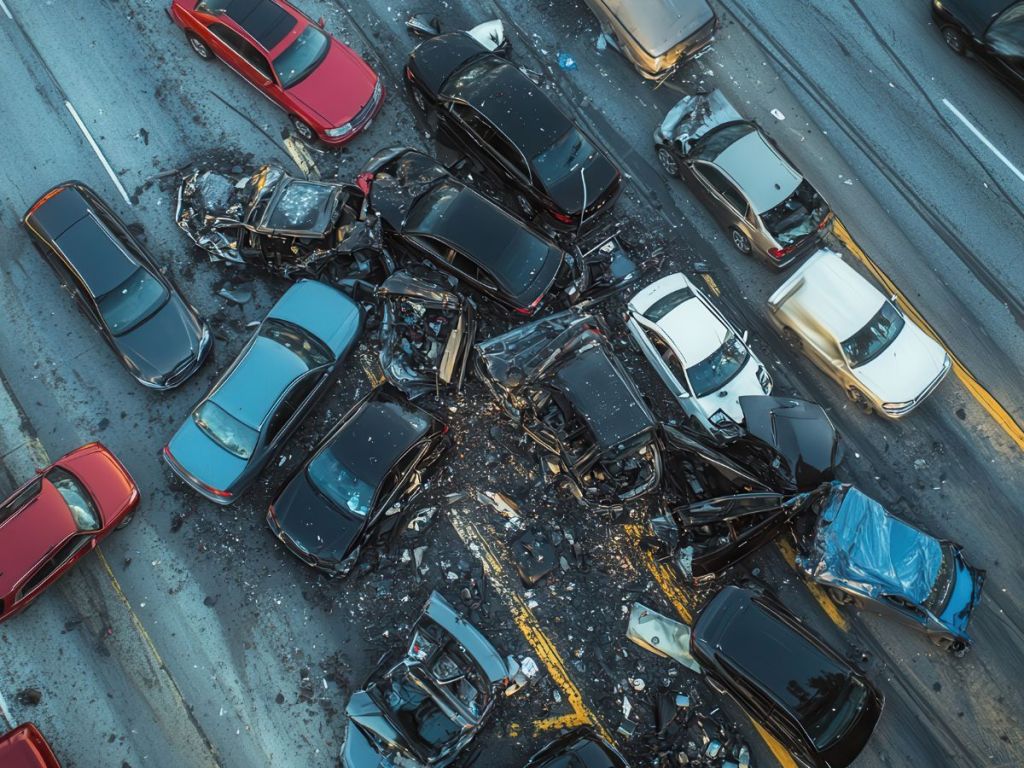
A multi vehicle crash in Castle Pines can feel confusing because the story is rarely clean. One driver may start the chain, but several drivers can contribute through speed, following distance, distraction, or unsafe lane changes. Insurance companies often use that complexity to delay decisions, spread blame, and reduce payouts by arguing that everyone shares fault. This guide explains how liability is sorted, what insurance layers can apply, and what steps help you protect your claim when the case involves multiple vehicles and multiple policies.
Start with the 60 second reality check
- How many vehicles were involved and which impacts caused your injuries
- Whether the crash happened in a chain reaction rear end or a multi lane incident
- Which drivers received tickets or appeared impaired or distracted
- What evidence exists right now before vehicles are towed and the scene changes
Why multi vehicle crashes get complicated fast
In a two car crash, insurers usually focus on one set of statements and one primary policy. In a pileup or chain collision, each driver and insurer may tell a different story about what started the event and what happened after the first impact. The timeline can include separate collisions seconds apart, which matters because the injury causing impact may not be the first one. A strong claim separates the sequence into clear steps and ties your injuries to specific impacts using evidence, medical records, and consistent reporting.
How liability is sorted in chain reaction crashes
Many multi vehicle wrecks start with one driver following too closely and triggering a domino effect. Still, the driver who caused the first impact is not automatically responsible for every later collision if other drivers also acted negligently. Liability often depends on following distance, speed for conditions, brake reaction time, and whether any driver made an unsafe lane move during the chaos. The best approach is to document the sequence early and avoid guessing, because insurers use uncertainty to push blame onto the easiest target.
Rear end chains
In a rear end chain, drivers often argue that they were pushed into the car ahead. That can be true, but it does not always excuse unsafe following distance or distraction before the push happened. Investigators may look at vehicle damage patterns and the spacing between cars to understand who hit whom first. If you were hit more than once, it is important to tell medical providers and insurers that there were multiple impacts, because it helps explain symptom intensity and progression.
Multi lane and merge collisions
Crashes involving lane changes, merges, or sudden stops can create competing fault arguments. One driver may claim they were cut off, while another says they were already established in the lane. Witnesses and video matter here because even small lane position details can decide liability. Skid marks, debris fields, and the final rest positions of vehicles can also help show the true path of travel.
Evidence that helps untangle the sequence
In a multi vehicle crash, documentation is the difference between a clear claim and a muddy debate. Photos should show the entire scene layout, not just your bumper, because the angle and spacing between vehicles can explain how the chain unfolded. If you have dash camera footage, save the original file immediately and back it up so it cannot be overwritten. Witnesses are also critical, especially neutral drivers who stopped and saw the whole sequence rather than just the final collision.
- Wide photos showing vehicle positions, lanes, and traffic controls
- Close photos of each impact point and vehicle damage patterns
- Witness contact information and short written summaries if possible
- Dash camera footage and any nearby business or intersection video
Insurance layers that can apply in multi vehicle cases
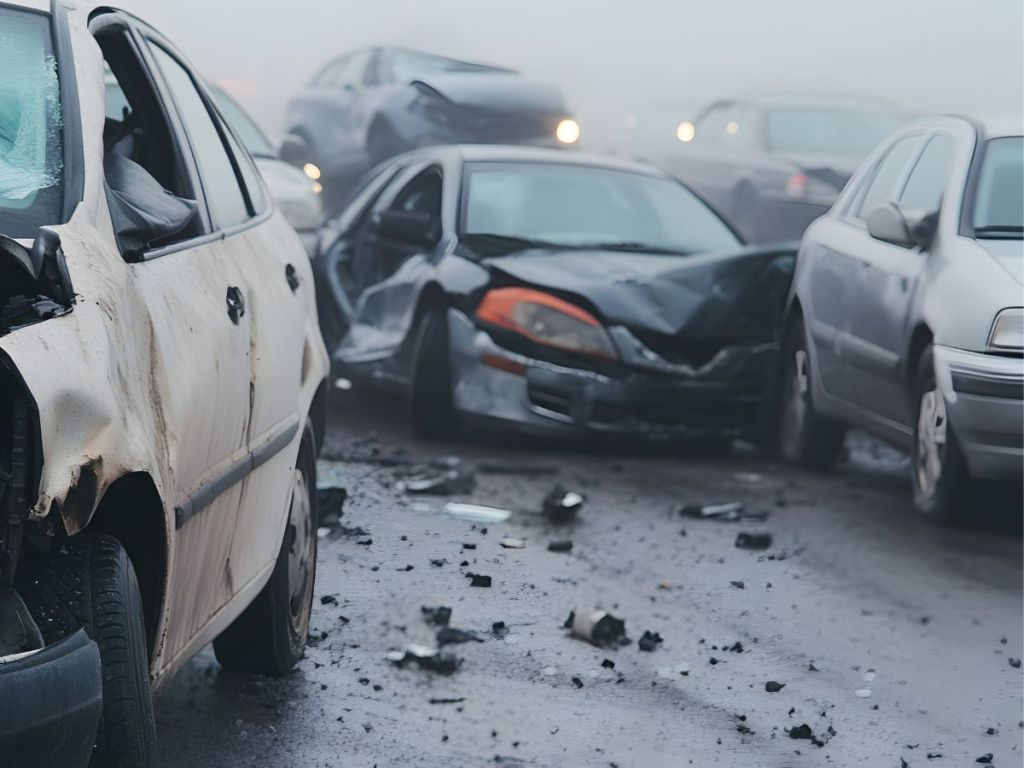
Multi vehicle cases often involve multiple liability policies, and each insurer may try to point responsibility elsewhere. This can delay settlements and create gaps if one driver has low limits or no coverage at all. Your own policy can also become part of the solution through coverages like medical payments and uninsured or underinsured motorist benefits. Understanding the available layers early helps you plan treatment, manage bills, and avoid settling too quickly with the wrong party.
Multiple liability policies
When more than one driver is at fault, more than one policy may contribute to your damages. Still, insurers often negotiate responsibility percentages before paying, which can create long delays. In some cases, policy limits are too low to fully cover serious injuries, especially when multiple victims are splitting the same coverage pool. That is why it helps to map out every involved driver and every carrier early in the process.
Your own uninsured and underinsured motorist coverage
If one driver has no coverage or has limits that are too low, your own uninsured or underinsured motorist coverage can become essential. These claims can feel strange because you are negotiating with your own insurer, and they may scrutinize damages closely. Keep your medical timeline consistent, avoid gaps in care when possible, and document work restrictions and daily limitations. For overall strategy, a Colorado car accident lawyer can help you coordinate the layers without accidentally harming one part of the claim while pursuing another.
How serious injuries change the stakes
Pileups often involve sudden high force impacts, multiple hits, and awkward body motion that increases injury risk. Neck and back injuries can worsen when you are struck more than once, and some people develop neurological symptoms or balance issues when their head snaps or hits an interior surface. If there are concussion symptoms, persistent headaches, memory issues, or sensory changes, you should get evaluated and document them early. When head trauma is part of the claim, a Denver traumatic brain injury lawyer can help connect medical findings to real world impact like work performance, focus, and long term care needs.
Common insurer tactics in multi vehicle crashes
Expect insurers to take longer, ask for more statements, and push harder on fault percentages in multi car cases. They may try to use inconsistent statements between drivers to create doubt, or they may argue your injuries came from a later minor impact rather than the main collision. This is why you should avoid guessing and keep your story consistent from the crash report to medical visits. If an insurer delays without explanation, demands repetitive documents, or makes offers that ignore clear proof, it may be worth discussing insurance bad faith and what proper claims handling should look like.
Final checklist after a Castle Pines multi vehicle crash
- Call 911, get medical evaluation, and describe all impacts clearly
- Photograph the full scene wide, then each vehicle and impact point close
- Collect witness information and look for cameras before footage is overwritten
- Request the crash report and review it for missing vehicles or errors
- Keep a dated symptom timeline and save all bills and receipts
- Confirm every insurance carrier involved, including your own coverages
Multi vehicle crashes in Castle Pines are challenging because the case is really two cases at once: proving who caused the chain and proving what the chain did to you. When you document the sequence early, keep medical care consistent, and understand the insurance layers available, you protect yourself against blame shifting and delay tactics. A clear timeline and organized records make it harder for insurers to turn complexity into a lower payout. If your crash involved multiple impacts or multiple insurers, early guidance can help you keep the process moving toward a fair result.


