
Colorado Motorcycle Accident Bias: How Riders Can Protect Their Injury Claim
After a wreck, riders often deal with both physical injuries and snap judgments about speed, risk, and fault. That is why the first few decisions matter so much for medical care, evidence, and the way your case is framed. Reviewing these first steps after a Castle Rock motorcycle crash can help you protect the claim before the insurance file takes shape around the wrong assumptions. A strong start does not guarantee an easy case, but it can prevent small mistakes from becoming expensive problems later.
Why motorcycle bias shows up so often
- Some adjusters assume a rider was taking more risk simply because a motorcycle was involved.
- Drivers often say they never saw the bike, then try to shift blame onto the rider.
- Serious injuries can create pressure to settle quickly before the full impact is clear.
- Witness memories can drift fast when the scene was chaotic or emotionally intense.
How bias affects a real injury claim
Fault can get framed too early
The first version of events often carries more weight than it should. A rider who apologizes, guesses about speed, or fills silence with extra details can accidentally give the insurer language to use later. That early framing can shape how witnesses are contacted, how property damage is described, and how settlement value is discussed. Once the file starts leaning in the wrong direction, it takes more work to pull it back to the actual evidence.
Injuries can be minimized even when the crash was severe
Motorcycle crashes often involve visible trauma, but that does not mean the full medical picture is obvious on day one. Insurance companies may focus on gaps, prior aches, or a short emergency visit while ignoring the weeks of follow up care that come after. Riders can also feel pressure to get back to work, back on the bike, or back to normal before their body is ready. When that happens, the insurer may argue that the injuries were minor even though the recovery was anything but.
What riders should do right away
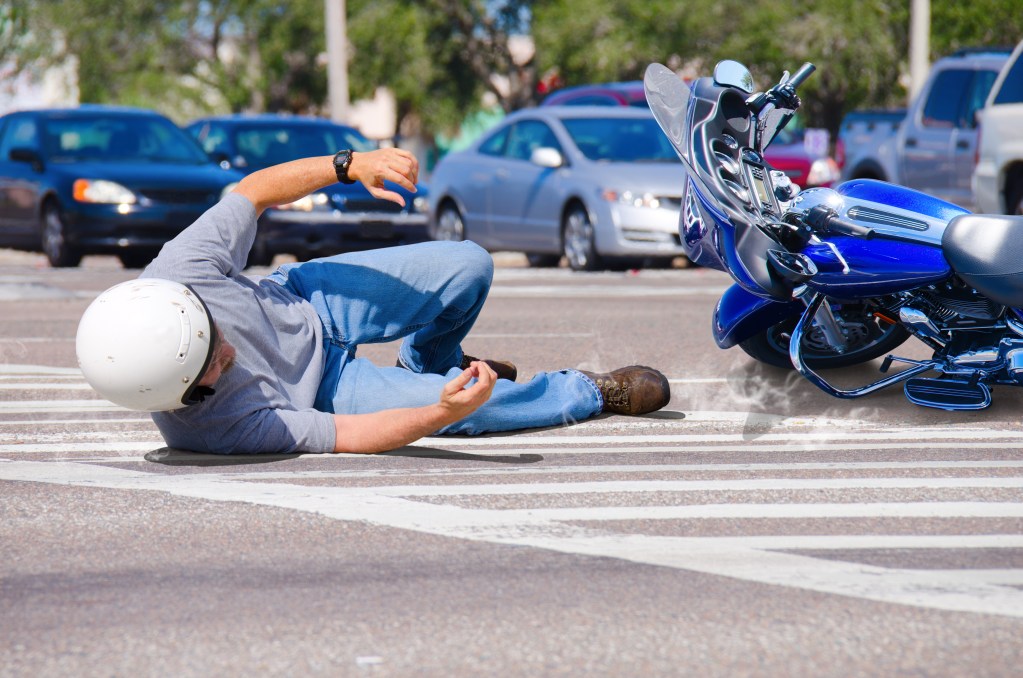
Start by getting medical care and making sure the crash is documented through official and personal records. Save photographs of the bike, your gear, the roadway, visible injuries, and anything that may explain sight lines or point of impact. Keep receipts, appointment summaries, work loss notes, and a simple recovery journal that tracks pain, sleep, movement, and daily limits. If an insurer calls early, give basic identification details and avoid giving a recorded statement before you understand the full scope of your injuries and losses.
Proof that can strengthen your case
- Photos that show lane position, impact points, road conditions, and damage to protective gear
- Medical records that connect the crash to treatment, symptoms, restrictions, and future care needs
- Witness names and contact details collected before people become hard to reach
- Repair estimates, wage records, and personal notes that show how the injury disrupted normal life
How safety choices can help your recovery and your claim
Insurance companies may look for any opening to argue that a rider made the harm worse, so preparation matters before and after a crash. Wearing protective gear, keeping your bike maintained, and using equipment that fits correctly can reduce both injury severity and later disputes about preventable harm. The National Highway Traffic Safety Administration recommends a DOT compliant helmet and other visible protective gear as part of safe riding practices, which also helps create a clearer record of responsible conduct if a crash happens. Learn more from NHTSA motorcycle safety guidance before your next ride.
Why insurance coverage matters more than many riders expect
Even when fault seems clear, the available insurance may not be enough to cover serious injuries, lost income, and long term care. That is especially true when the at fault driver carries low limits or tries to deny responsibility from the start. Riders who understand their own policy can make smarter decisions about medical payments, uninsured coverage, and underinsured coverage before a crisis arrives. Travis Legal Offices also emphasizes looking closely at available policies when a crash creates losses that exceed the obvious first layer of coverage.
Match the strategy to the right fit
Not every motorcycle claim needs the exact same playbook, but every strong claim needs a plan. Some cases turn on fast scene evidence, while others depend more on medical proof, insurance analysis, or a clean timeline of recovery. The right approach usually comes from matching the facts of the crash to the evidence that will matter most in negotiations. When riders know where the pressure points are, they are much harder to discount.
- If coverage is the main concern, review uninsured and underinsured driver issues before assuming the other driver is the only source of recovery.
- If you want a clearer view of timing and next steps, study the process of a car collision case to understand how evidence, treatment, and negotiation often unfold.
Final checklist before you act
- Get medical care quickly and follow through with recommended treatment.
- Preserve photos, gear, repair records, witness details, and every insurance document.
- Do not guess about speed, fault, or injury severity when speaking with insurers.
- Review all possible coverage sources before accepting any early settlement offer.
Motorcycle accident bias is real, but it is not unbeatable. Claims usually improve when riders stay organized, get proper care, and build the case around records instead of assumptions. A careful approach can protect both your health and your bargaining position, especially when the insurer starts from the wrong story. The goal is simple: make the evidence louder than the stereotype.


