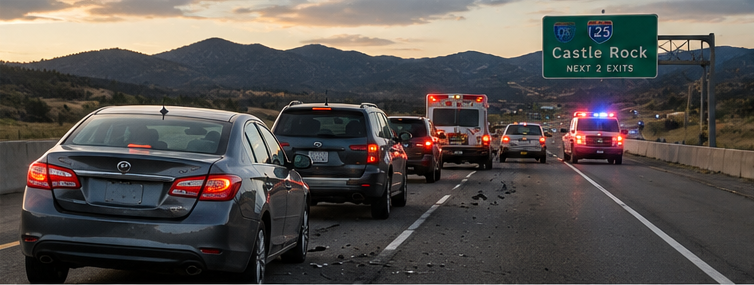
What to Do After a Car Accident in Colorado to Protect Your Injury Claim

Right after a crash, it is easy to focus on the wrecked car and forget the details that decide how an injury claim plays out. What you do in the first hour can protect your health, preserve proof, and prevent insurance companies from steering the story in the wrong direction. This checklist is built for real life, when you are shaken up and trying to think clearly. If you are dealing with injuries or serious damage, talk with a Colorado car accident lawyer early so evidence and deadlines do not slip away.
First, make the scene safer and get help
Safety comes before documentation, because a second impact can turn a bad day into a catastrophe. If you can move to a safer spot without making injuries worse, do it and turn on hazard lights. Call 911 when there are injuries, significant damage, or any concern about impaired driving. Even when you feel fine, adrenaline can mask symptoms, and a documented response creates a clearer timeline later.
- Check yourself and passengers for injuries before moving around
- Move to a safe location if it can be done safely
- Call 911 if anyone is hurt or the road is blocked
- Accept medical evaluation if you are dizzy, confused, or in serious pain
Exchange the right information and keep it calm
You want information, not an argument. Keep your conversation polite and limited, because anything said in the heat of the moment can be repeated later in a way that hurts you. Exchange contact and insurance details, confirm the correct vehicle owner if it is different from the driver, and note any commercial logos or employer names. If the other driver refuses to cooperate, do not chase them down, just document what you can and wait for law enforcement.
- Driver name, contact number, and address
- Insurance company, policy number, and vehicle information
- Photos of driver license and insurance card if possible
- Names and contact info for witnesses at the scene
Document the crash like you are building a case
Insurance decisions are made on documents and photos, not on how sincere you sound. Take more photos than you think you need, because missing angles create arguments later. Include the positions of vehicles, lane markings, traffic signals, and the broader area so it is clear where and how the impact happened. If you are too hurt to document, ask a passenger or a trusted bystander to help, then save everything in one folder.
Photos that answer the obvious questions
Start wide, then move closer, and do not forget details like skid marks, debris, and weather conditions. Photograph each vehicle from all sides, then zoom in on specific damage points and any broken parts on the roadway. If air bags deployed, photograph them, because that can support impact severity. Also take photos of visible injuries, then repeat later when bruising develops, since swelling and discoloration often show up after you get home.
- Wide shots of the intersection or roadway and traffic controls
- Vehicle positions before they are moved if it is safe
- Damage close ups plus license plates and vehicle logos
- Road conditions, lighting, and anything that affected visibility
Witnesses and video can change everything
Neutral witnesses are powerful because they reduce the case to facts instead of competing stories. Get names and numbers, and ask if they are willing to share a short description of what they saw in a text message. Look for nearby cameras on businesses, homes, and intersections, because video can disappear fast if nobody requests it. If you have a dash camera, save the file immediately and avoid editing it so the metadata stays intact.
- Ask witnesses for a quick written summary in their own words
- Note nearby cameras and write down addresses and business names
- Save dash camera footage to a secure backup
- Do not post crash photos or commentary on social media
Get medical care and create a clean symptom timeline
Medical care protects your body and your claim at the same time. A delay gives insurers room to argue you were not really hurt or that something else caused the pain. Tell providers exactly what happened in the crash and what symptoms you feel, even if they seem minor, because small issues can turn into bigger problems over the next several days. Keep your follow up appointments and be consistent, since gaps in treatment are often used as a settlement reduction tool.
What to tell the doctor so records stay accurate
Doctors chart what you say, and those notes often become the most important evidence later. Be specific about where you hurt, what movements trigger pain, and whether symptoms are getting worse or spreading. Mention headaches, nausea, sleep disruption, or numbness, because those details can signal concussion or nerve involvement. Ask for discharge instructions and keep them, because it shows you took recovery seriously.
- Describe your symptoms clearly and note when they started
- Report head impact, dizziness, or memory issues right away
- Follow treatment guidance and document restrictions for work
- Save all bills, receipts, and visit summaries
Be careful with insurance calls and recorded statements

It is normal to notify insurance quickly, but you do not need to rush into detailed recorded statements while you are in pain or still figuring out your injuries. Adjusters may ask questions that sound friendly but are designed to lock you into specifics you cannot confidently confirm yet. Stick to basic facts, avoid guessing about speed or distance, and do not minimize symptoms. If you need help managing communications, a Colorado personal injury lawyer can step in so you can focus on treatment instead of phone pressure.
- Do not speculate about fault, speed, or what you could have done
- Keep a copy of your claim number and adjuster information
- Ask for communications in writing when possible
- Save every email, letter, and repair estimate
Get the crash report and verify it for accuracy
The crash report often becomes the starting point for insurance decisions, even when it is not perfect. Request a copy as soon as it is available, then review it for mistakes like wrong vehicle positions, missing witnesses, or incorrect insurance information. If you spot errors, document them and ask about the process to correct or supplement the report. Colorado provides guidance on crash records and reporting here: dmv.colorado.gov.
- Request the report using the case number and agency information
- Confirm names, dates, vehicle details, and insurance accuracy
- Check that witness information is included when available
- Save the report and all attachments in one place
Watch for claim handling that crosses the line
Some delays are normal, but patterns matter. If an insurer repeatedly ignores documentation, changes adjusters without explanation, or denies obvious items without a clear reason, that can be a sign the claim is being mishandled. Keep a simple log of every call, every request, and every deadline you were given, because it creates accountability. When the process feels unfair, learning about insurance bad faith can help you understand what proper claims handling should look like.
- Unexplained delays after you provide requested documents
- Low offers that ignore medical records and wage loss
- Pressure to settle before you finish treatment
- Requests that feel repetitive or designed to wear you down
Final checklist before you leave the crash behind
- Get to safety, call 911 when needed, and accept medical evaluation
- Exchange information and document the scene with wide and close photos
- Collect witness contacts and identify any nearby cameras
- Seek medical care and keep a dated symptom timeline
- Be cautious with recorded statements and avoid guessing about details
- Get the crash report and review it for accuracy
A strong Colorado injury claim is built the same way a strong recovery is built, with early action, consistency, and good documentation. You do not need to do everything perfectly, but you do need to protect the details that disappear and the records that insurers rely on. Focus on safety and medical care first, then preserve proof and keep communications simple and organized. If the crash caused real injuries, early guidance can help you avoid common mistakes and keep the claim pointed in the right direction.