
On Interstate 25, one second of distraction can turn a normal commute into a lifelong headache.
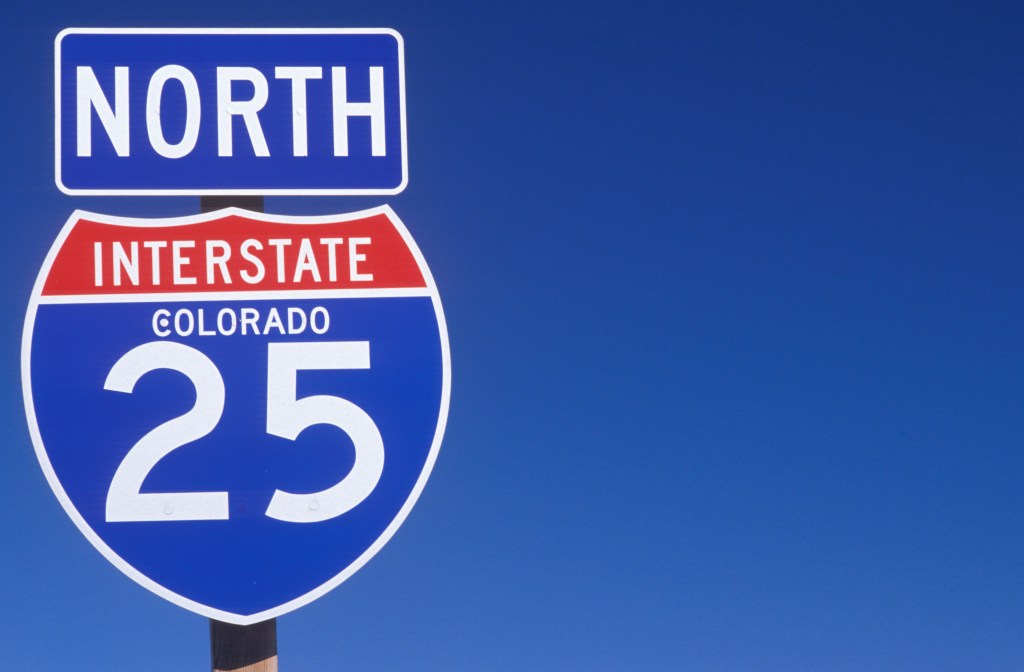
Castle Rock traffic moves fast, and Interstate 25 demands full attention from the moment you merge. When distractions creep in, crashes tend to be sudden and high impact, especially around busy exits and lane changes. If you were hit by a distracted driver, a Castle Rock car accident lawyer can help you protect evidence, deal with insurers, and pursue full compensation while you focus on recovery. Travis Legal Offices works on a contingency fee basis, so you do not pay fees unless they win money for you.
The everyday distractions behind most Interstate 25 close calls
- Reason 1: Phone alerts and quick replies pull your eyes off the road, especially when traffic slows and drivers feel tempted to multitask.
- Reason 2: Navigation apps trigger reroutes and lane changes, and many drivers glance down at the worst possible time.
- Reason 3: Coffee, breakfast, and spills turn one hand driving into a scrambling mess that steals steering control and attention.
- Reason 4: Passengers, kids, and back seat chaos can hijack your focus right when you need calm decisions.
Why the Castle Rock corridor amplifies distraction
Merges, exits, and lane math
Reason 5 shows up when drivers wait too long to pick a lane, then panic when their exit is close. Last second lane changes force everyone nearby to brake, swerve, and react, which creates a chain of attention errors. Add trucks, commuters, and weekend shoppers, and you get constant decision points that reward planning and punish drifting focus. A simple fix is to choose your lane early, keep a steady following gap, and treat every merge like it will be tighter than you expect. If you miss an exit, keep going and reroute calmly instead of cutting across lanes.
Weather, glare, and cabin controls
Reason 6 is the urge to fiddle with defrost, wipers, heat, and sunglasses when conditions change quickly. Around Castle Rock, bright sun, sudden wind, and quick temperature swings can turn visibility into a moving target. Many drivers start adjusting settings while rolling, then realize too late that their attention left the roadway. Set climate, music, and navigation before you move, and if something feels urgent, pull off safely and handle it stopped. The goal is simple: no device or button is worth a high speed mistake.
Four more reasons distraction spikes at highway speeds
Interstate 25 crashes often start with a tiny lapse that would be manageable on a neighborhood street but catastrophic at highway speed. These remaining reasons are common because they feel harmless in the moment, yet they steal visual, manual, or mental attention. The risk grows when several stack together, like a call plus traffic plus a screen prompt. If you want fewer close calls, treat these as known triggers and build a plan to avoid them.
Reasons 7 through 10 that catch drivers off guard
- Reason 7: Touchscreens and infotainment menus encourage long glances, and even a quick song search can become a full attention switch.
- Reason 8: Work calls and hands free meetings overload your thinking, so you look forward but do not truly process what is happening.
- Reason 9: Driver assistance features can create overconfidence, leading drivers to look away because they assume the car will handle it.
- Reason 10: Rubbernecking at crashes, construction, or police activity causes sudden slowdowns and rear impacts when drivers stop scanning ahead.
Build a distraction proof routine in five minutes
The best habits are boring, repeatable, and automatic before your tires hit Interstate 25. Start by silencing non essential notifications and placing your phone out of reach so the temptation is gone, not merely resisted. The NHTSA distracted driving overview explains how quickly attention slips when drivers text, scroll, or split focus, and that message applies to every kind of screen. Set your route before you roll, use voice commands sparingly, and keep your hands on the wheel with your eyes scanning far ahead. If you catch yourself wanting to do anything that takes your eyes away, make a quick safe stop and reset.
If a distracted driver causes a crash, document smarter not harder

After a collision, your first job is safety and medical care, even if you feel fine in the moment. Next, take clear photos of vehicles, the roadway, and any visible injuries, and get names and contact information for witnesses before they disappear. Keep your statements factual, avoid guessing, and do not agree to recorded conversations before you understand what is being asked. A clean timeline, prompt treatment, and organized records can make a meaningful difference when insurers try to reduce what they pay.
Match the strategy to the right fit
Some claims are straightforward, but distracted driving cases often involve arguments about fault, speed, phone use, and what the other driver was doing in the moments before impact. The right approach depends on injury severity, the amount of insurance available, and whether you are facing delays, denials, or low offers. Strong cases are built early with photos, medical documentation, and consistent follow through, not last minute scrambling. If you are unsure what your next step should be, a focused review can clarify the path and prevent costly mistakes.
- For crashes anywhere in Colorado, start with the Colorado car accident lawyer page to understand how claims are evaluated and what compensation typically includes.
- If repairs, rental costs, or total loss value become the fight, the Colorado property damage lawyer guide explains common insurance tactics and practical ways to respond.
Final checklist before you act
- Turn on a driving focus mode and place your phone out of reach before you start moving.
- Set navigation, music, and climate controls while parked, not while merging.
- Leave a bigger following gap on Interstate 25 so you have time to react without panic braking.
- If a crash happens, get medical care, document the scene, and keep a clear timeline of symptoms and appointments.
Distraction is not always dramatic, which is exactly why it is so dangerous on Interstate 25. The good news is that most triggers are predictable, and predictable problems can be planned around. Choose one or two habit changes today and make them automatic, because consistency beats willpower on a busy highway. If a distracted driver has already changed your life, you do not have to handle insurers and paperwork alone. Travis Legal Offices can review what happened and explain next steps during a free consultation.


